About Appenzeller Spitzhaubens
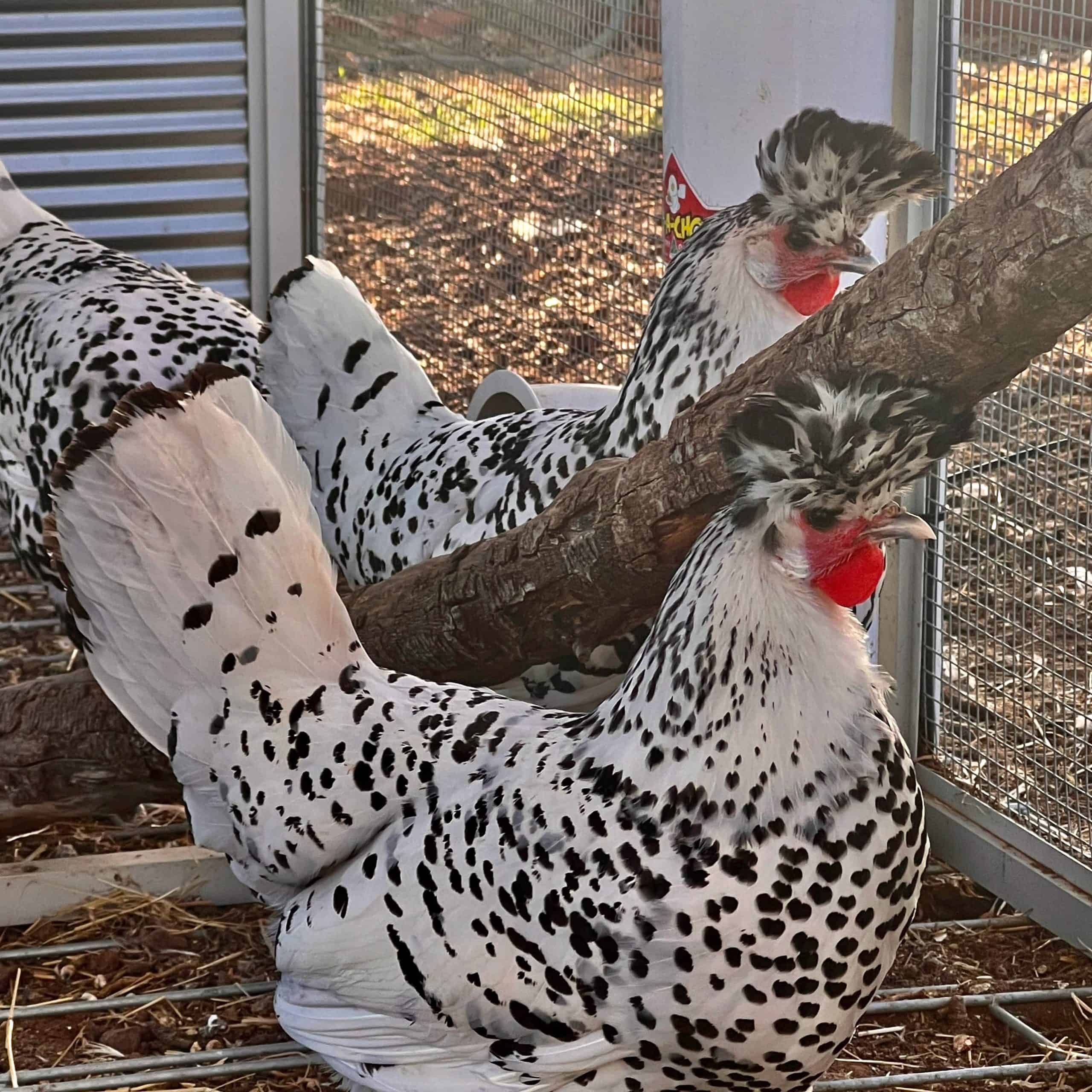
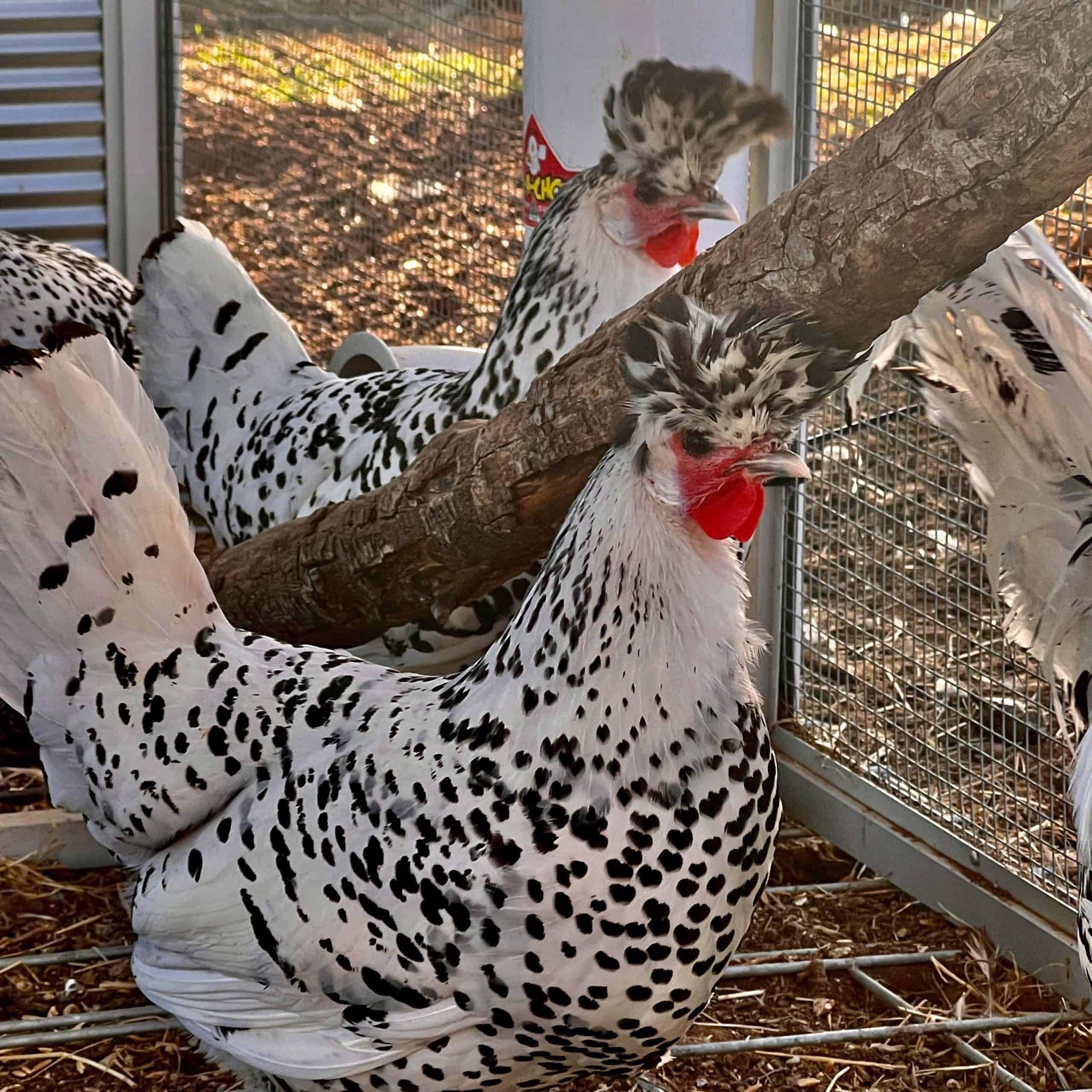
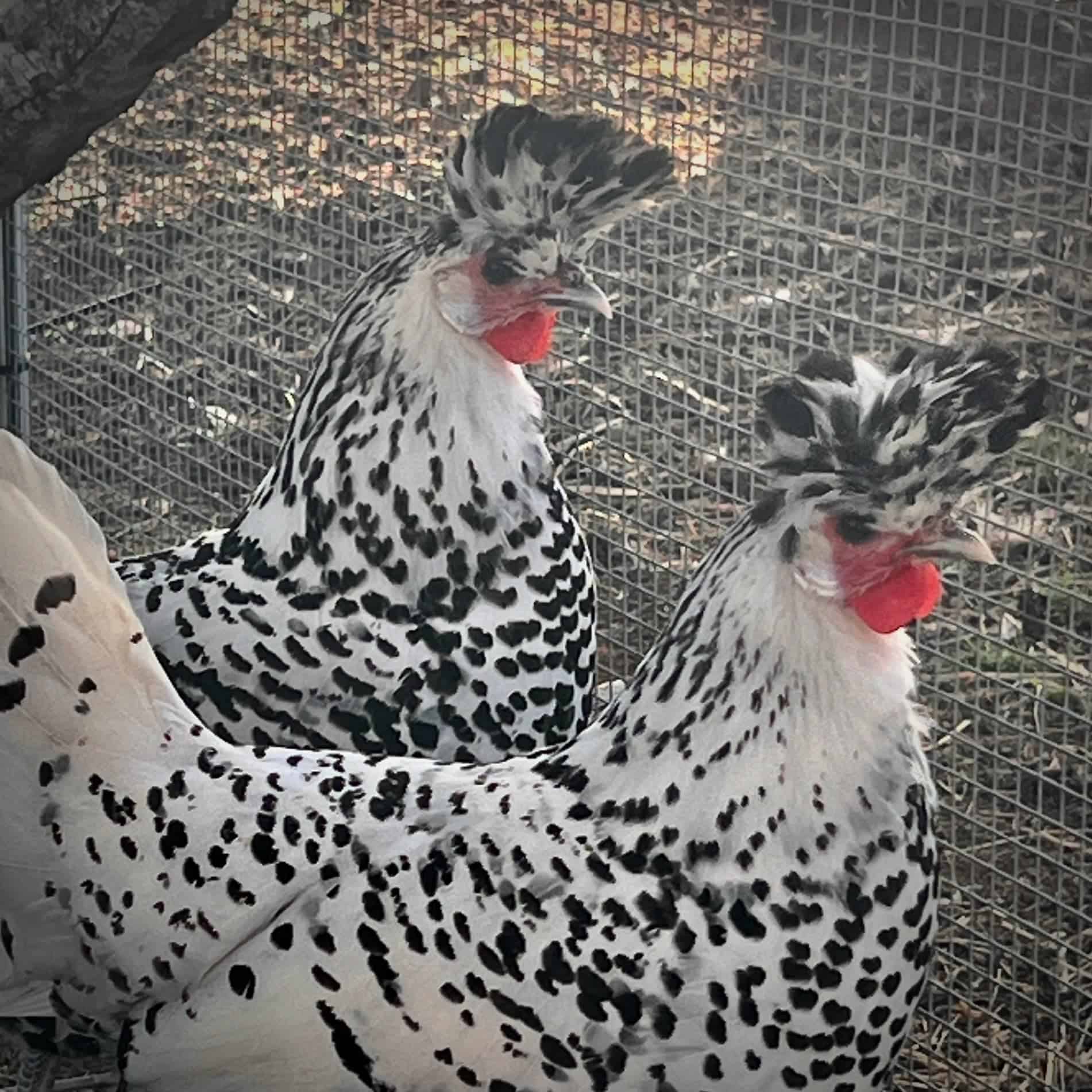
The Appenzeller Spitzhauben is a rare and distinctive breed of chicken that originates from Switzerland, specifically the Appenzell region. Its name, “Spitzhauben,” refers to the traditional hat worn by women in that area, which resembles the bird’s unique forward-sweeping crest.
The breed dates back to the early 18th century and was developed in the Swiss Alps, where it became well adapted to the cold, rugged mountain terrain. Historically, the Appenzeller Spitzhauben was prized for its hardiness, ability to forage well in rough conditions, and consistent egg production. However, by the 20th century, the breed had declined in numbers and was at risk of extinction until dedicated breeders began preserving it.
Physical Features
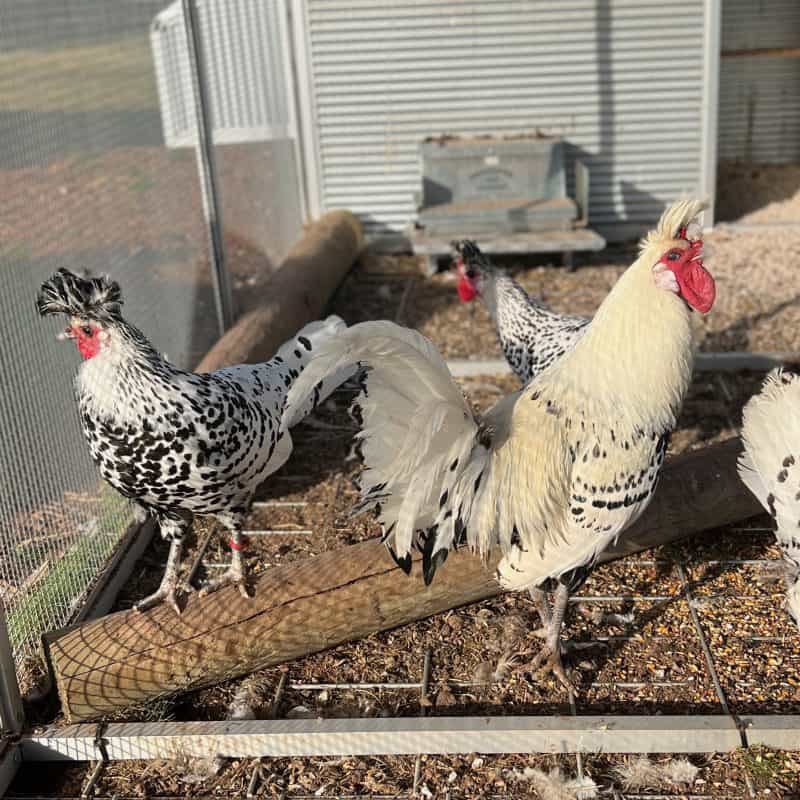
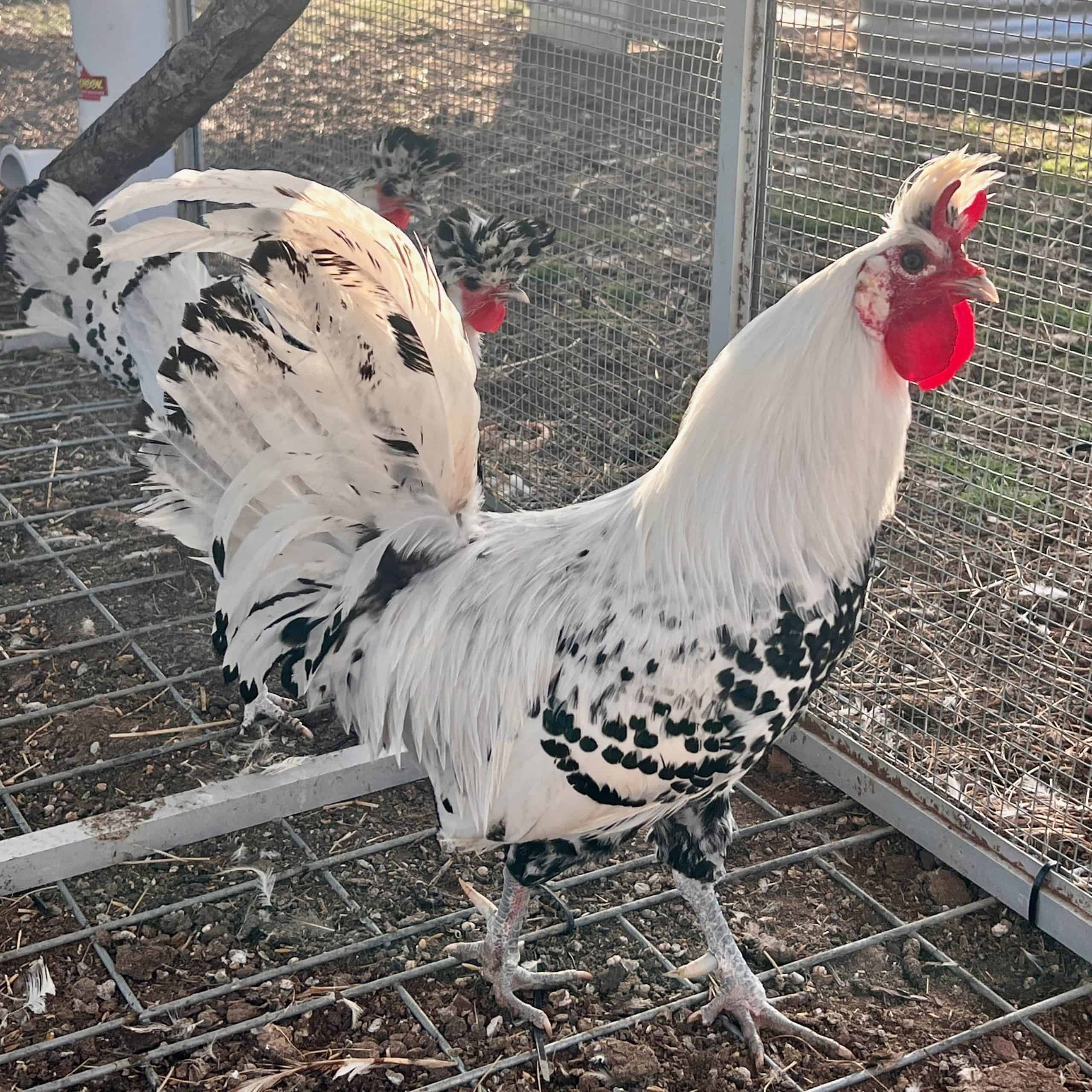
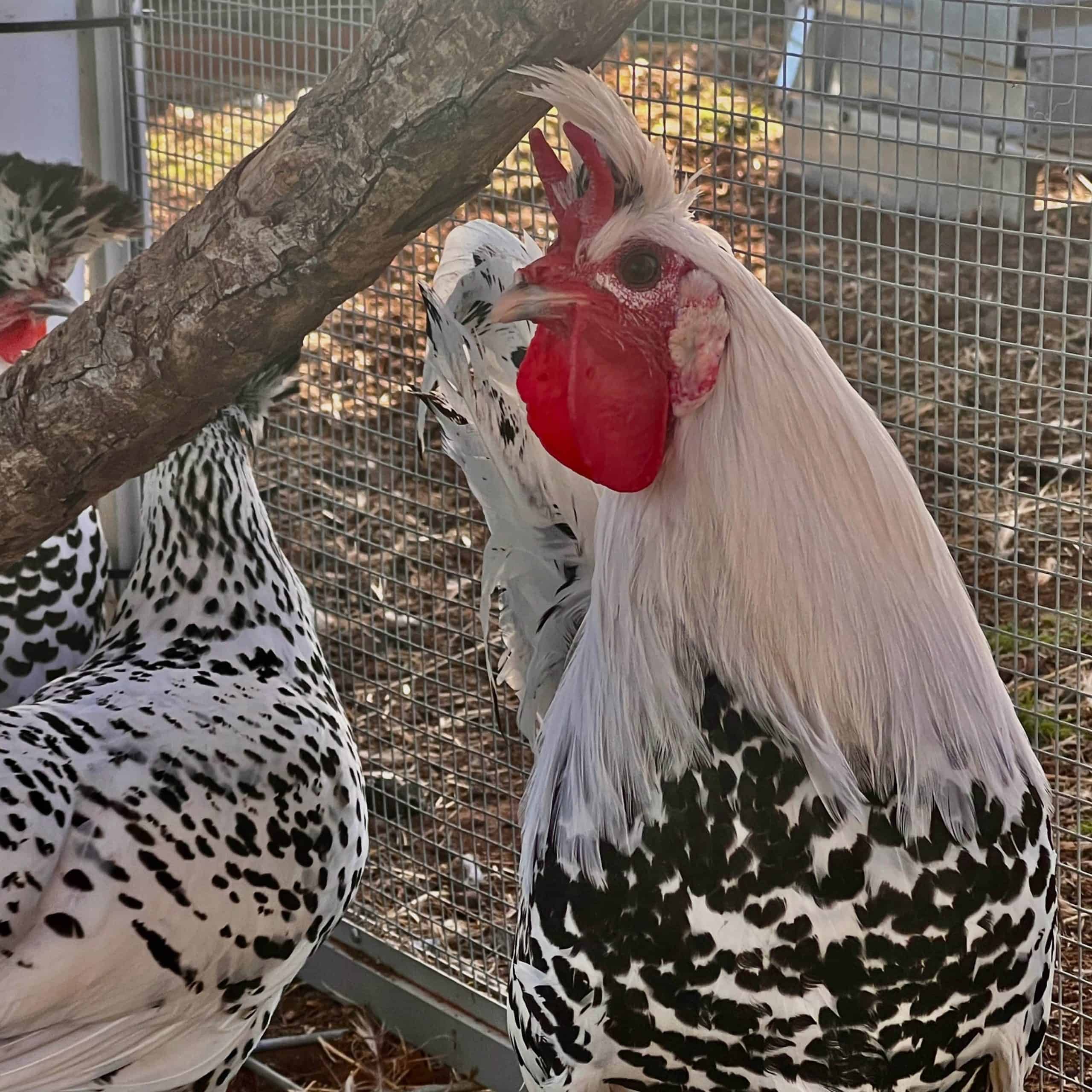
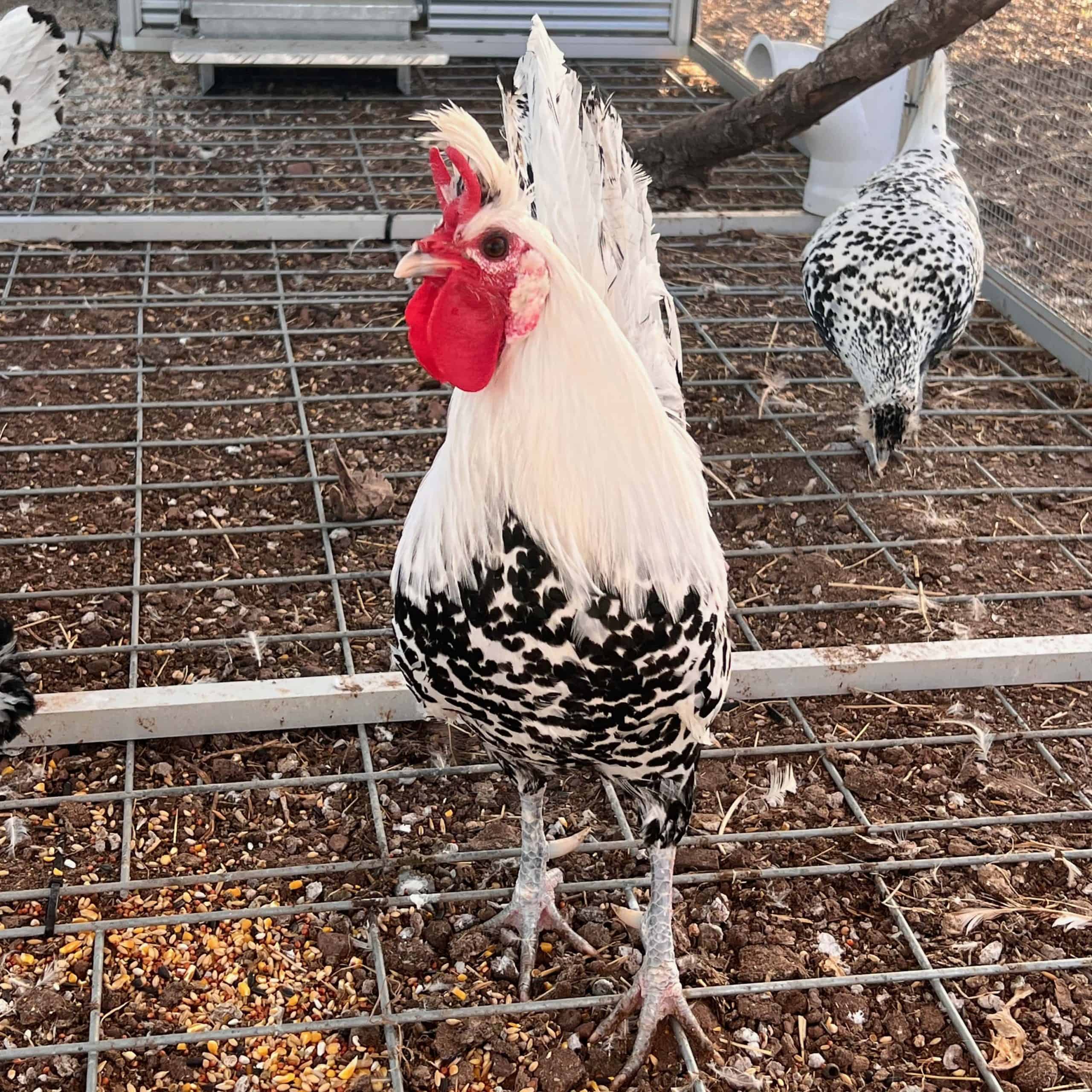
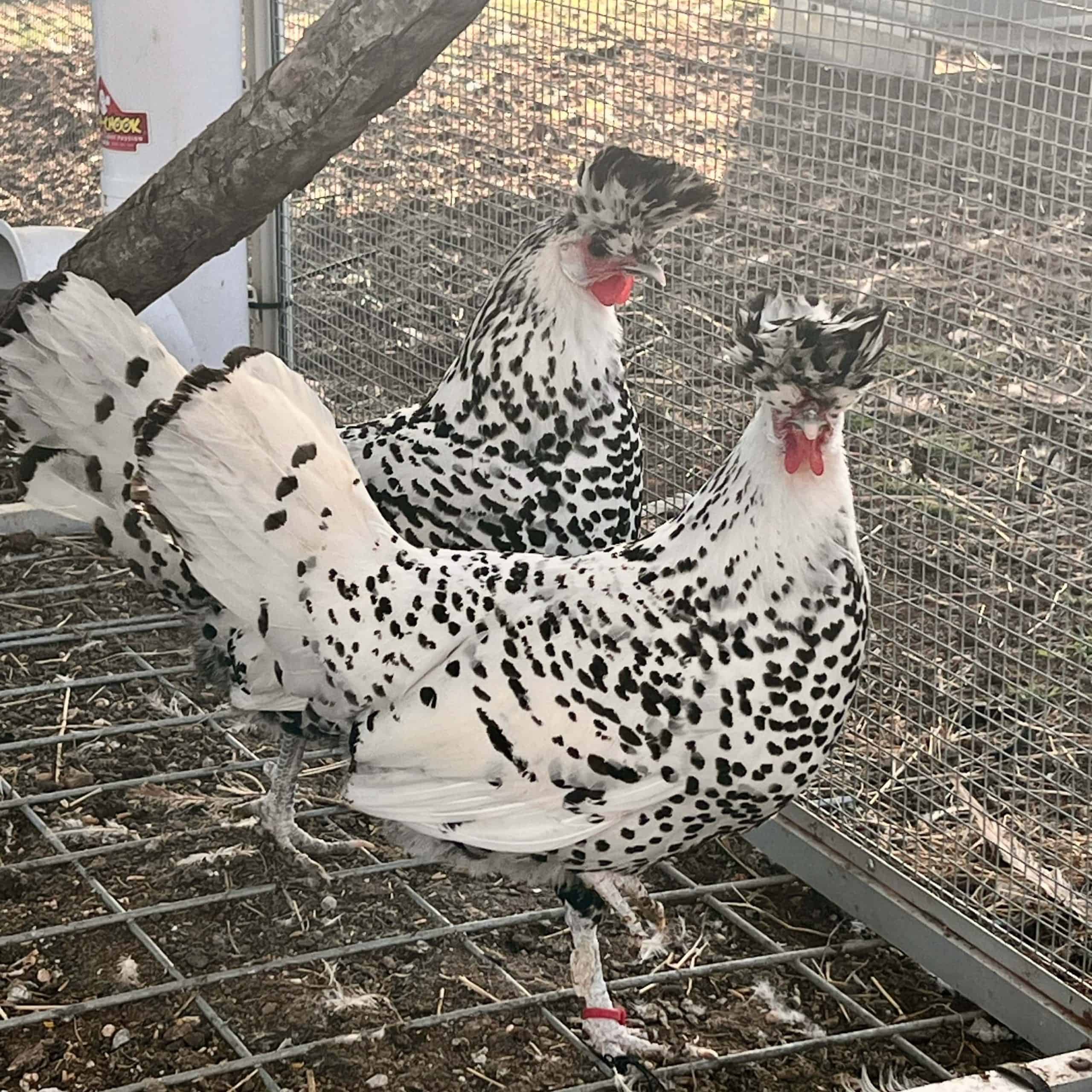
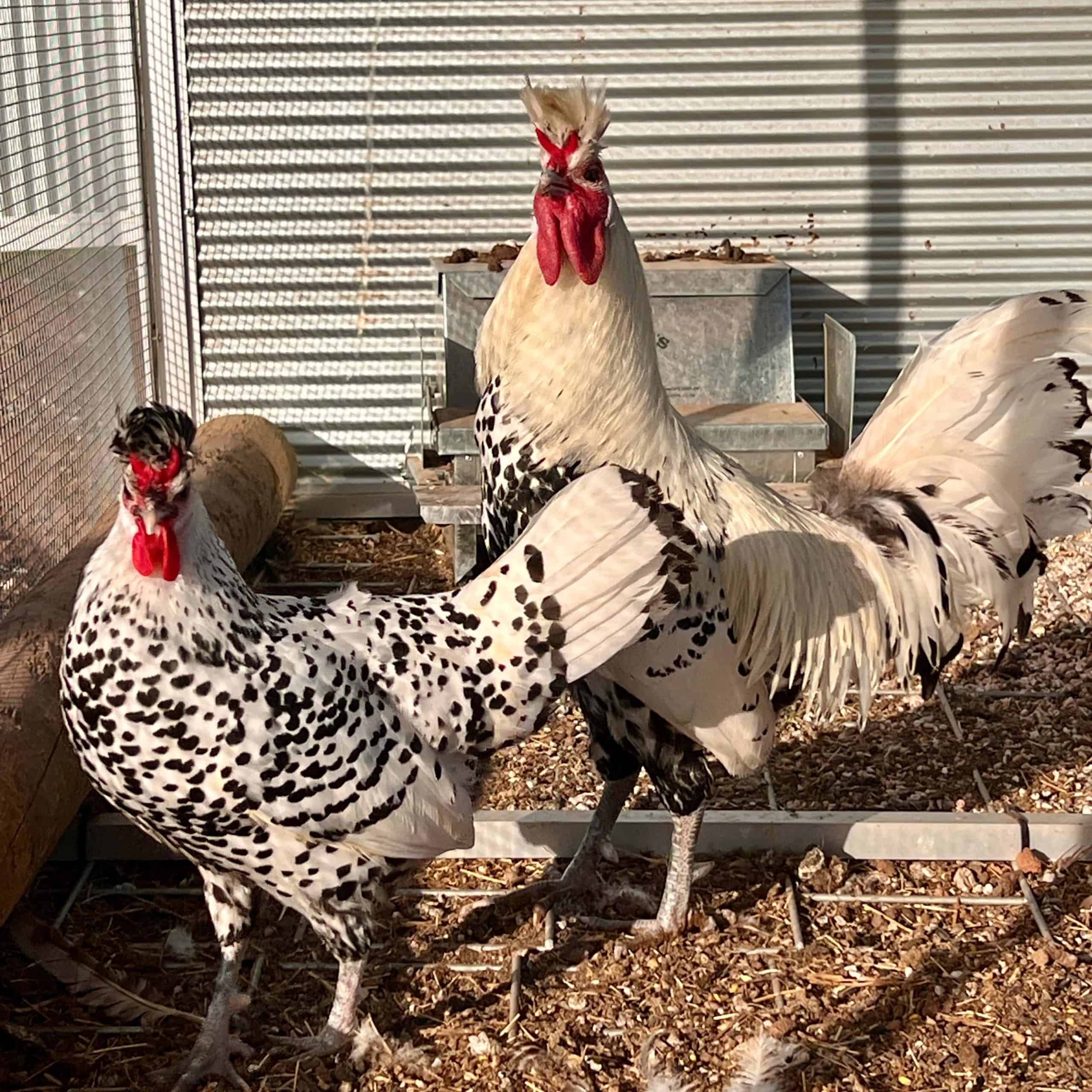
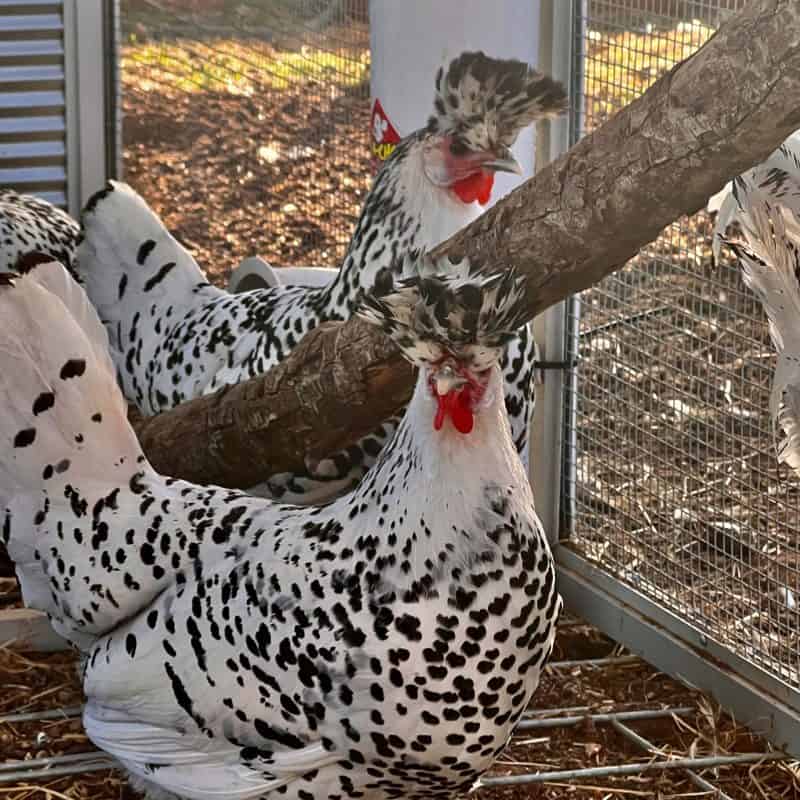
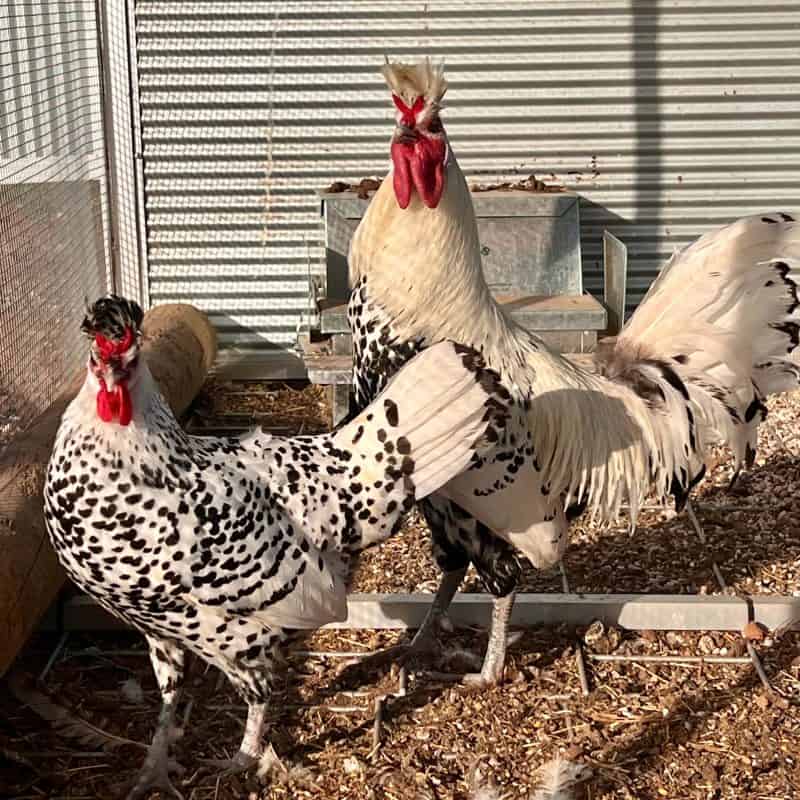
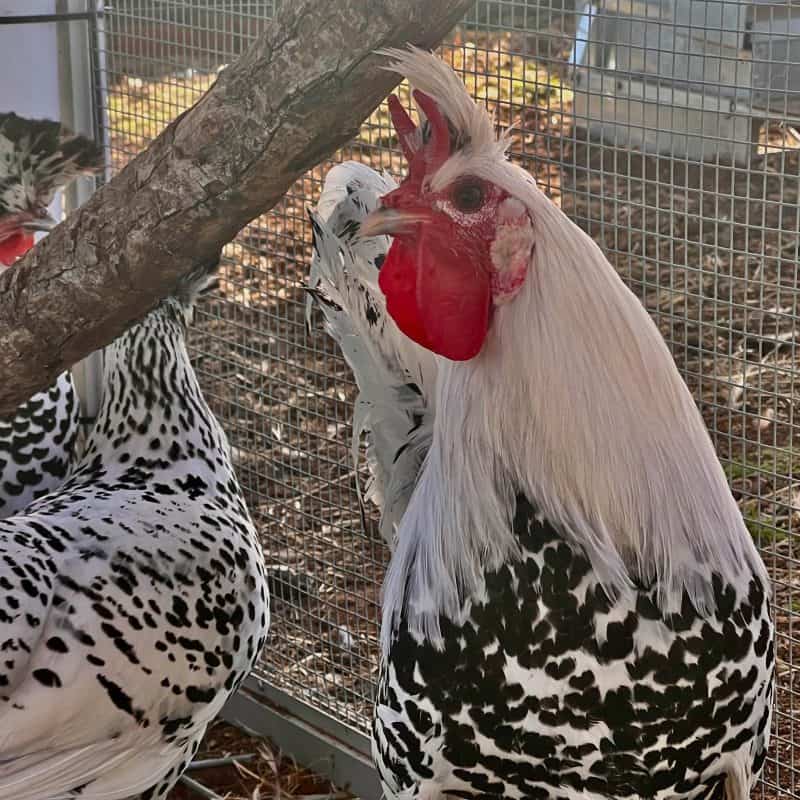
Appenzeller Spitzhauben chickens are known for their striking appearance. They have a prominent V-shaped comb, a forward-leaning crest of feathers, and slate-blue legs. Their body is sleek and compact, with well-spaced plumage that allows them to navigate through underbrush and fields efficiently. They are light-bodied birds, which enhances their ability to forage and fly.
Their feathers come in a few different colour varieties, but the most common are the silver spangled (which we breed). Other colours include gold spangled, lemon spangled, chamois and even pure black and blue (not found in Australia yet). We have added gold spangled to our coop this year and look forward to breeding our first chicks in 2025.
Temperament and Behaviour
This breed is known for its active, energetic nature. They are excellent foragers and prefer to free-range, making them a great fit for farms or properties with space to roam. They are relatively hardy and handle colder climates well due to their Alpine origins, and seem to do well in our warmer climates too. While not the most docile of breeds, they are generally friendly but can be a little flighty due to their light weight and active personalities – which can be disappointing for young chicken enthusiasts.
Appenzeller Spitzhaubens are excellent flyers (for a chicken) and can easily clear fences as high as 2 metres, and like to roost in trees. This adds an extra consideration for owners who may want to let them free-range but still need to keep them secure.
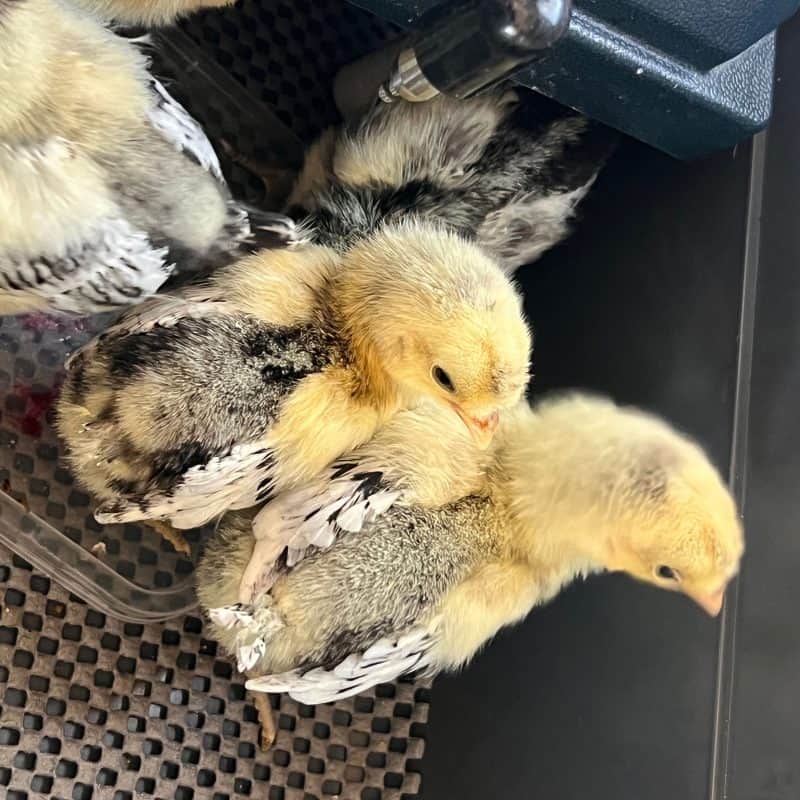
Fertile Eggs & Hatching Appenzeller Spitzhaubens
Appenzeller Spitzhauben hens are productive layers, particularly considering their smaller size. They typically lay white eggs and can produce around 150-180 eggs per year, averaging around 55gm in size. Their ability to lay consistently even in colder conditions makes them a great breed for those looking for egg production in less temperate climates.
Fertile eggs cost more than typical chicken breeds, due to their rarity and the fact they are harder to raise. People looking to incubate need to be aware that these eggs don’t seem to travel well compared to other more common breeds. We are more than happy to safely package and send fertile eggs around the country on the understanding that hatching rates will be lower than typical breeds.
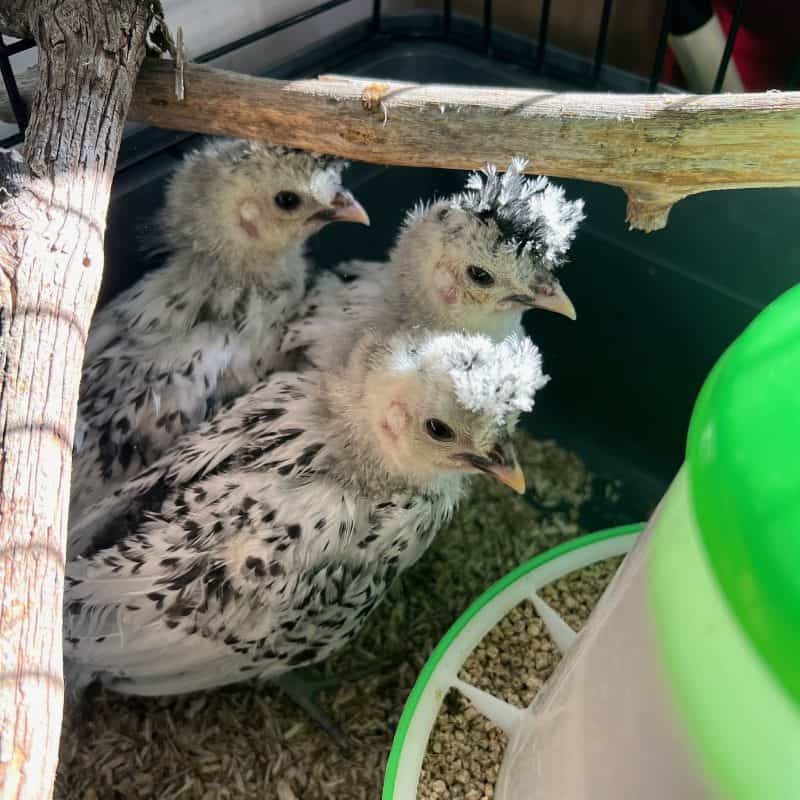
Incubation Settings
For incubating Appenzeller Spitzhauben eggs, generally no special settings are needed compared to other breeds. They are small white eggs and therefore more porous than many other heritage breeds, leading us to experiment with humidity settings. They are definitely more temperamental to hatch, and expect lower hatch rates to regular heritage breeds – especially if posted.
At Tarcombe Farm, we are currently set our incubators at 37.7°C with 50-55% humidity for the first 18 days. When lockdown begins, we lower the temperature slightly to 37.4°C and increase the humidity to around 60-70%. We are getting better hatch rates at these settings – around 85%.
The ‘Dry’ incubation method, where humidity is around 30-35% @ 37.7°C, and at lockdown only the temperature is changed (lowered slightly as normal), seems to give much lower hatch rates around 40-50%, with many needing assistance to hatch.
Buying our Birds
At Tarcombe Farm, we primarily offer young breeding sets of Appenzeller Spitzhauben chickens in quads and trios, ideal for those aiming to start or enhance their own breeding programs. Each set includes one rooster and 2 or 3 hens from separate pens, ensuring diversity and healthy breeding pairs.
For those in suburban areas where roosters are not allowed, we occasionally have pullet-only sets available, depending on our numbers, giving you the chance to add these beautiful birds to your flock right as they’re ready to start laying.
We also offer young, freshly hatched, unsexed chicks during the breeding season. However, please keep in mind that we are not be able to take back roosters, so it’s important to have a plan in place for rehoming any unwanted roosters. Due to their rareness (and placid nature) they are quite easy to sell.
With a focus on health and quality, our breeding sets are ideal for both poultry enthusiasts and small-scale breeders.
Frequently asked questions about our Appenzellers
What colour eggs do Appenzeller Spitzhaubens lay?
Appenzeller Spitzhaubens lay small to medium white eggs. They are a steady laying breed rather than a high-volume hybrid, and the eggs have lovely strong shells.
Are Appenzellers good with families and other backyard chickens?
Yes. Our Appenzellers are calmly handled from the start and generally have a friendly, alert temperament. They mix well with other backyard breeds, although they are active foragers and prefer plenty of space and things to do.
Do Appenzellers handle the Victorian climate?
They handle Victorian conditions well when given dry shelter, good ventilation, shade in summer and protection from heavy rain. Their crest can become bedraggled in prolonged wet weather, so a covered run helps.
What biosecurity steps do you take?
We keep a closed flock where possible, source any new genetics carefully, and quarantine new arrivals before introducing them. Visitors to the farm are asked to follow simple footwear and handling guidelines on arrival, and pickups are arranged so visitors do not enter our breeding pens.
How do I arrange a pickup?
Tarcombe Farm is open by appointment only. Once you have chosen birds from our Animals For Sale page or confirmed availability through our contact page, we will book a pickup time that suits you and walk you through everything you need to know before they go home.